Hiredly, web
Hiredly, web

How jobseekers' first impressions were enhanced by 16%.

How jobseekers' first impressions were enhanced by 16%.

Onboarding Revamp

Onboarding Revamp

Status: Launched

The Context

Hiredly is a job-seeking platform targeting junior to mid-management professionals. Data and event tracking revealed high drop-off rates occurring at various stages of the onboarding process, leading to low successful user acquisitions.

The Brief

To design a simplified interactive onboarding experience that is engaging and informative to jobseekers on 3 breakpoints (desktop, tablet & mobile).

To design a simplified interactive onboarding experience that is engaging and informative to jobseekers on 3 breakpoints (desktop, tablet & mobile).

Timeline

4 weeks of research and design total

4 weeks of research and design total

Tools

Figma, Hotjar

Figma, Hotjar

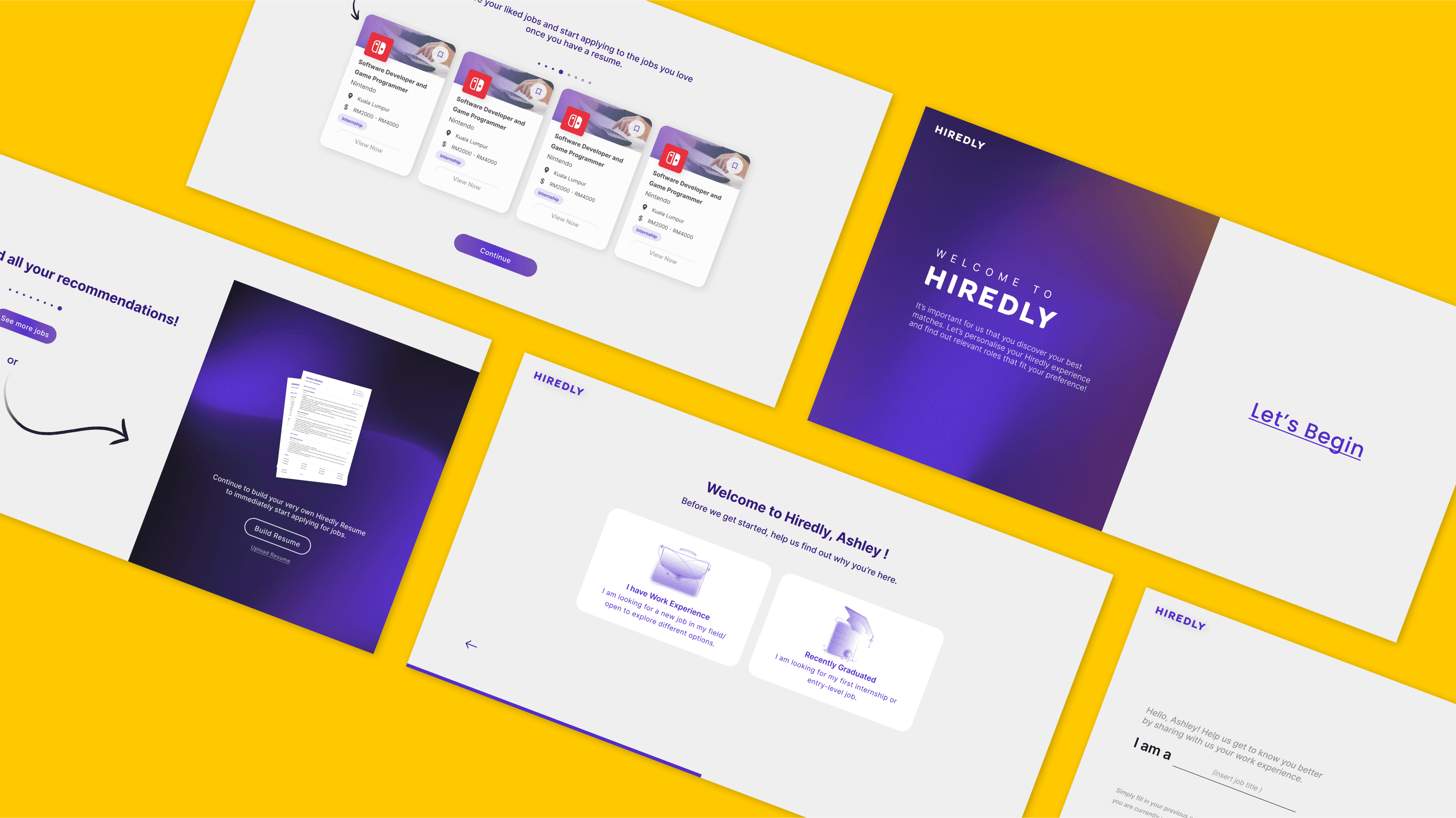
Sneak peak of the final designs!

Sneak peak of the final designs!

Capture user intent

Minimal input fields
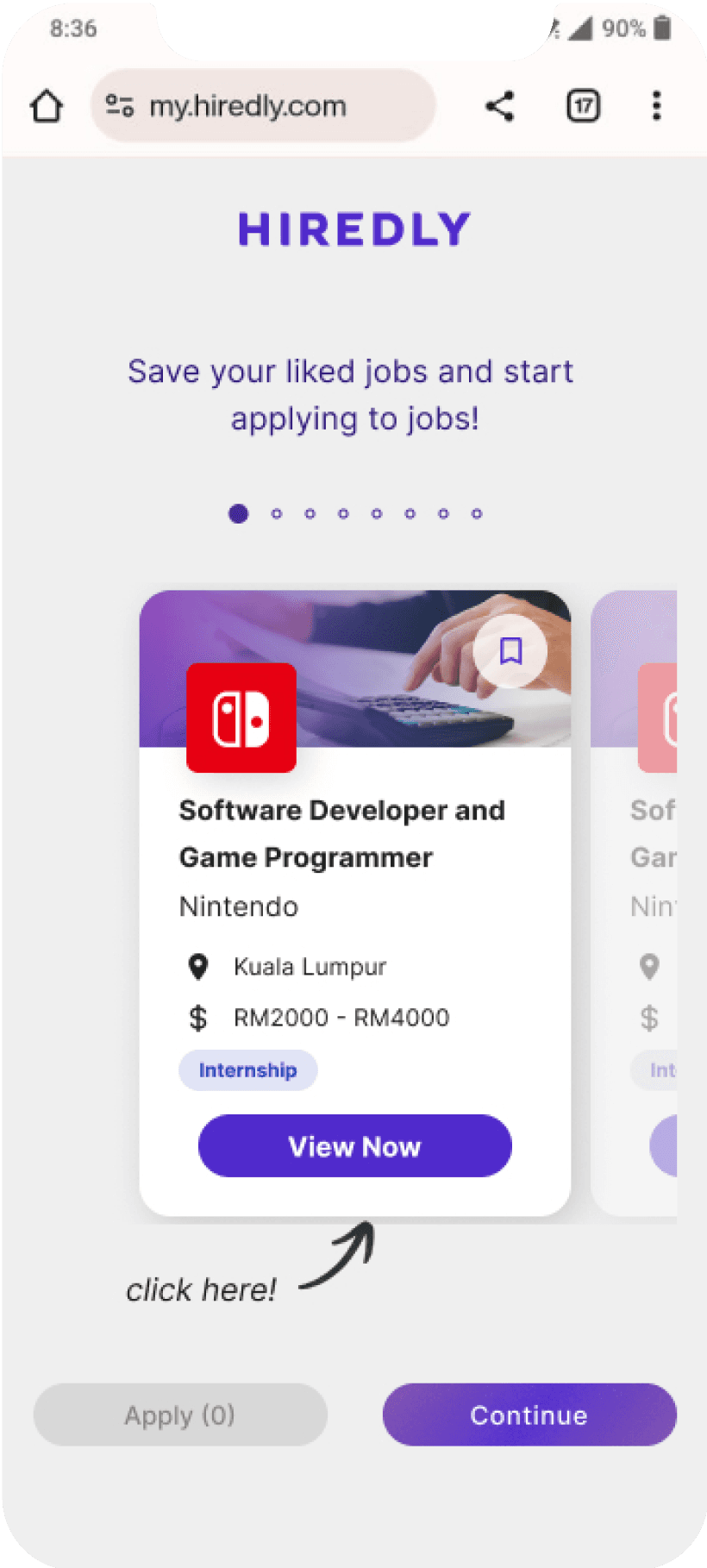
Immediate job recommendations
Key metrics

Key metrics

+16%

+16%

Onboarding Completion Rate

Onboarding Completion Rate

Finding our Bearings

Finding our Bearings

Who’s our users?

Who’s our users?

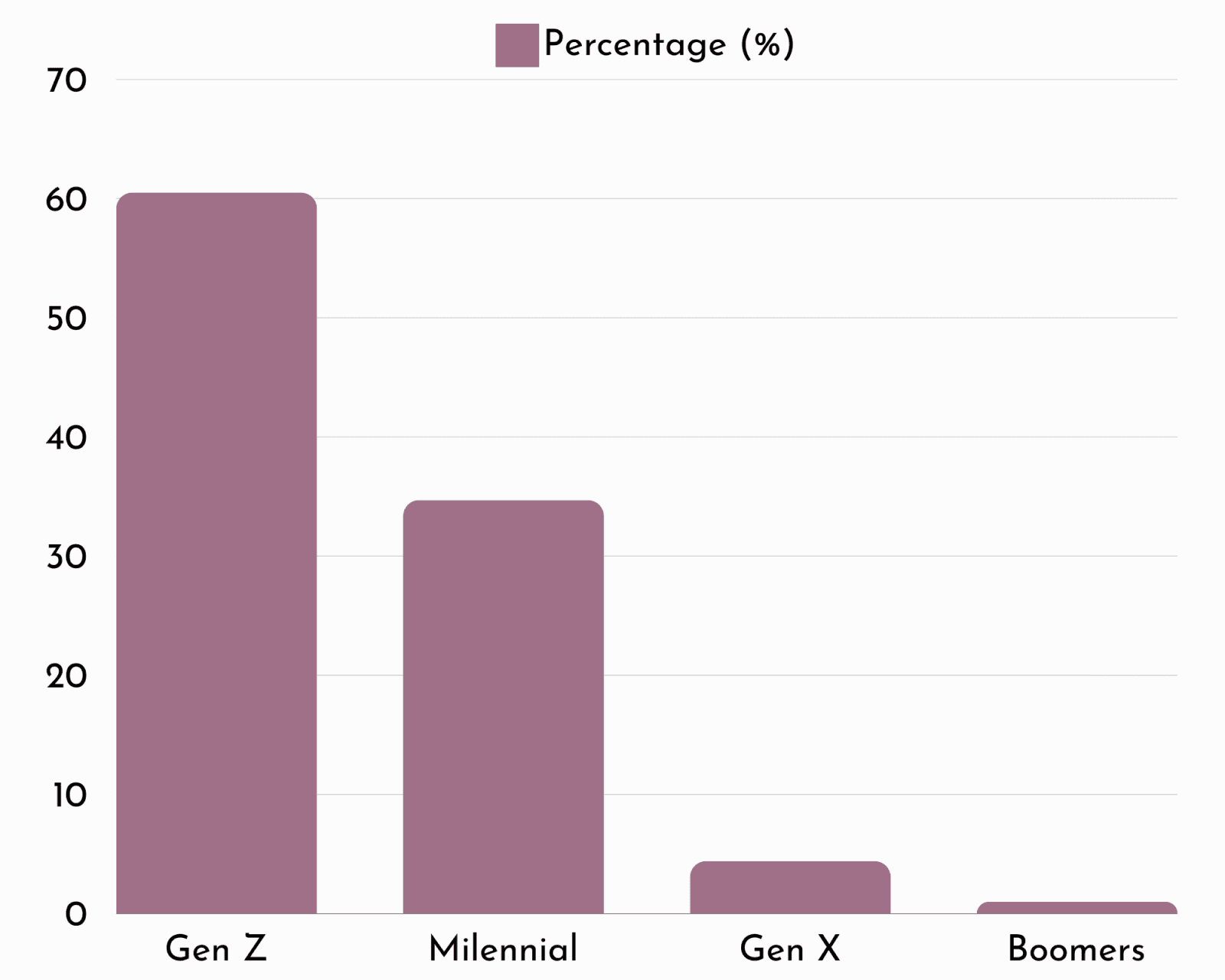
Our largest user demographics are from Gen Z (age 18 - 27).


This emphasised that most of our users are in the fresh graduate or junior to mid experience level categories,


This demographics are also commonly more proficient with technology.

Our largest user demographics are from Gen Z (age 18 - 27).


This emphasised that most of our users are in the fresh graduate or junior to mid experience level categories,


This demographics are also commonly more proficient with technology.

Our users can be further divided into 3 categories:

The Active Seeker:

Proactive job seekers who regularly browses job listings. They are familiar with the job search process and know what they are looking for.

The Passive Seeker:

Not actively seeking a new job but might be open to interesting opportunities. They rely on job recommendations to discover new possibilities.

The Fresh Grad:

Limited job search and application experience and might need more guidance and support during the process.

How do our rivals excel?

How do our rivals excel?

Observing our Users

Observing our Users

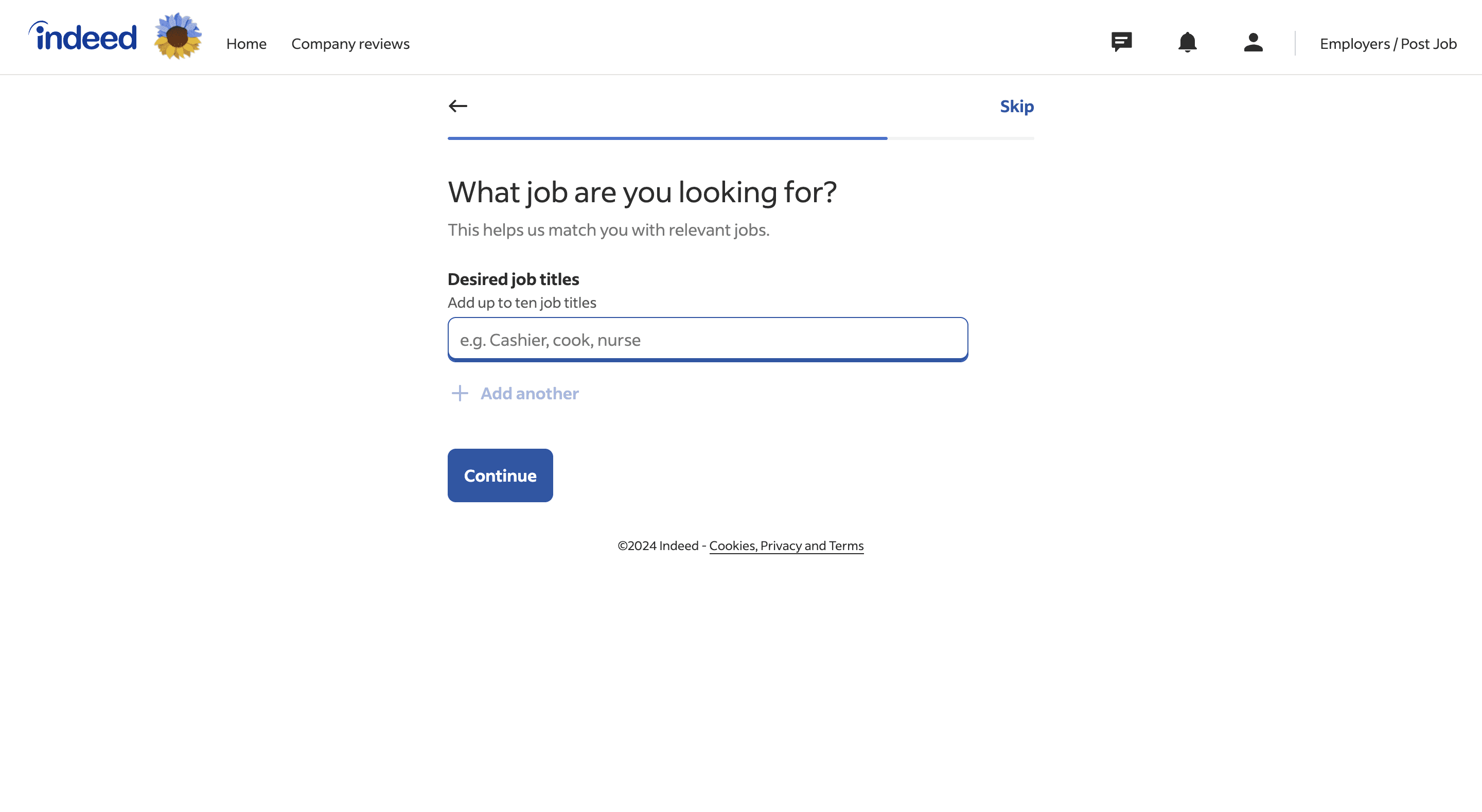
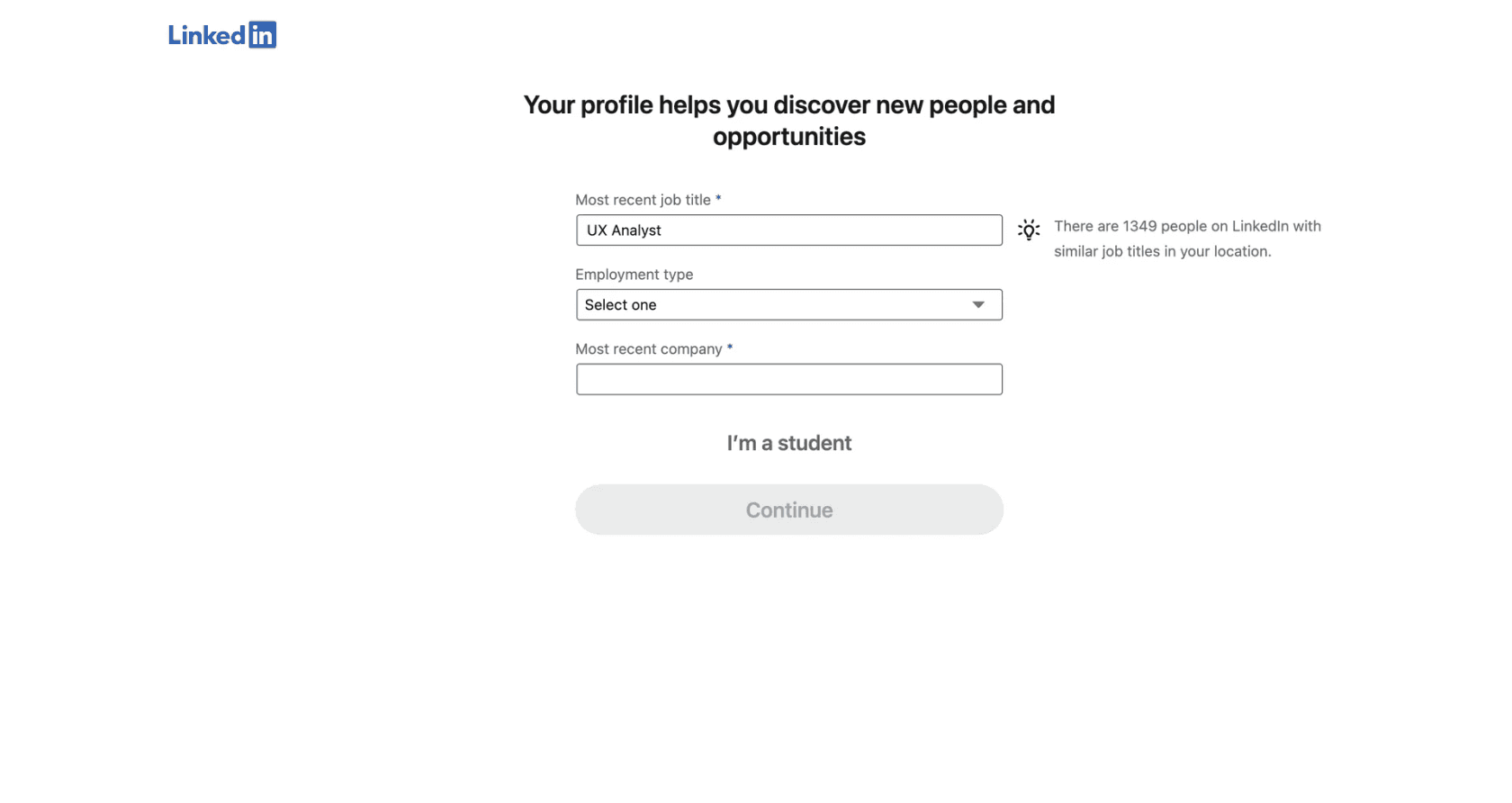
I approached several test users in our main demographic (Gen Z) and observed how they go through the onboarding process for both our competitors (Linkedin and Indeed) and Hiredly’s.

I approached several test users in our main demographic (Gen Z) and observed how they go through the onboarding process for both our competitors (Linkedin and Indeed) and Hiredly’s.

Indeed
Linkedin

General comments from users after going through Linkedin and Indeed's Onboarding:

“Even though it was more pages, it felt faster to complete.”

“There is few fields per page, making it easy to fill in. It was not confusing and straight to the point.”

“I like how there are job recommendations immediately after, I could see how the information I gave was useful to me.”

Hiredly
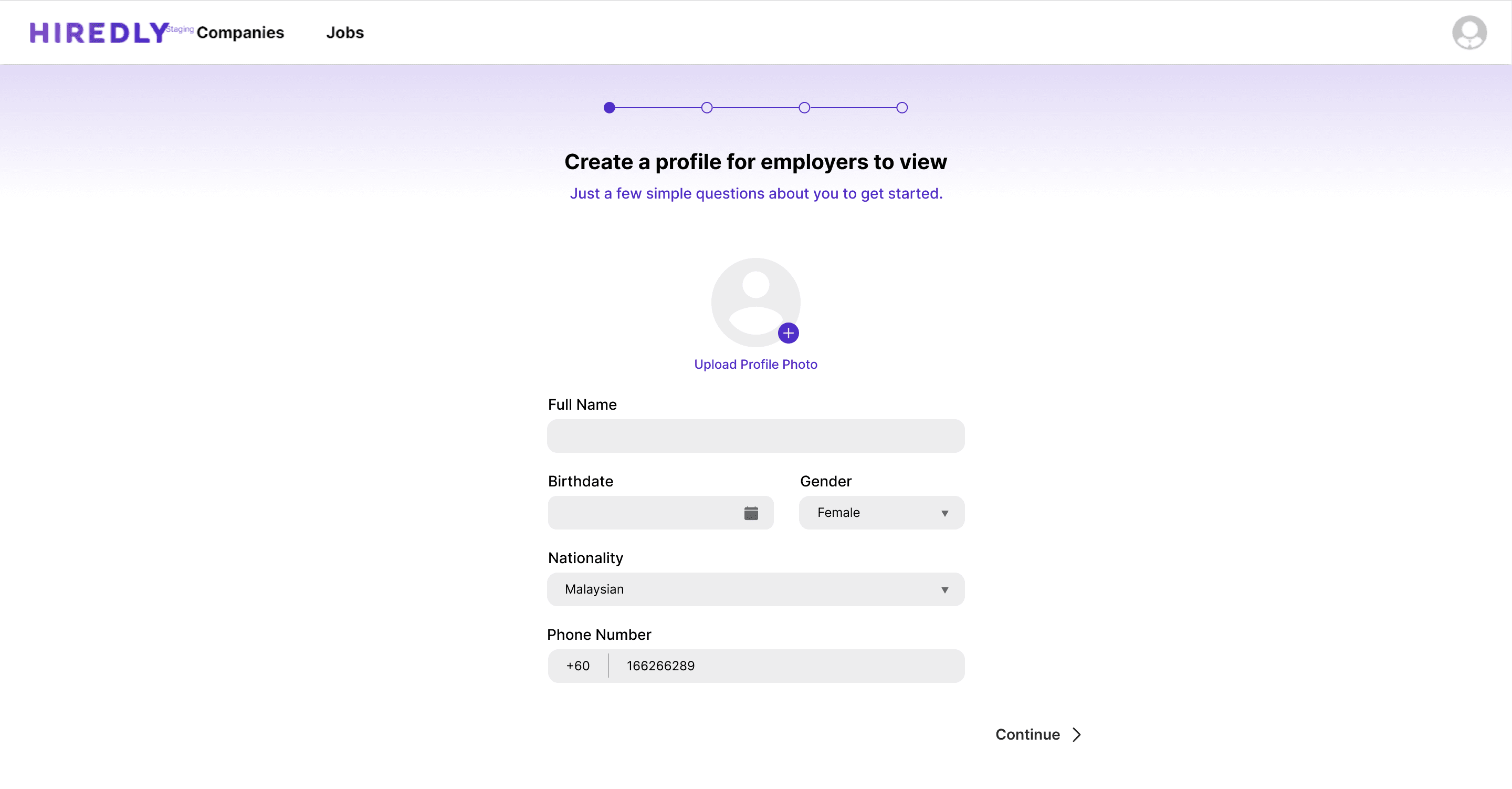
Overall UI is feels ‘old’ and ‘outdated’

The inclusion of a progress indicator is a good feature
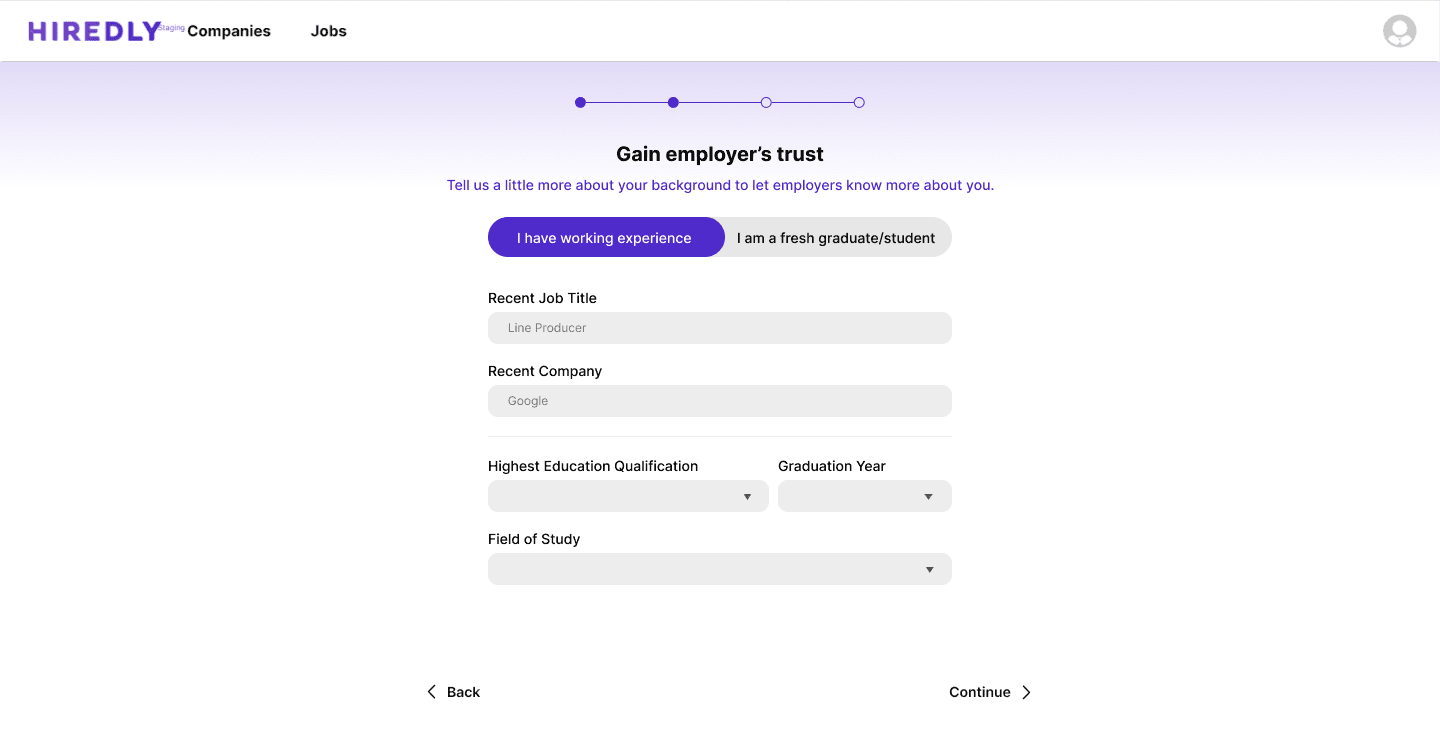
Fresh grad & working exp tab unclear. eg: does internship experience count?


blocker for the Fresh Grads

Unclear which fields are the compulsory fields
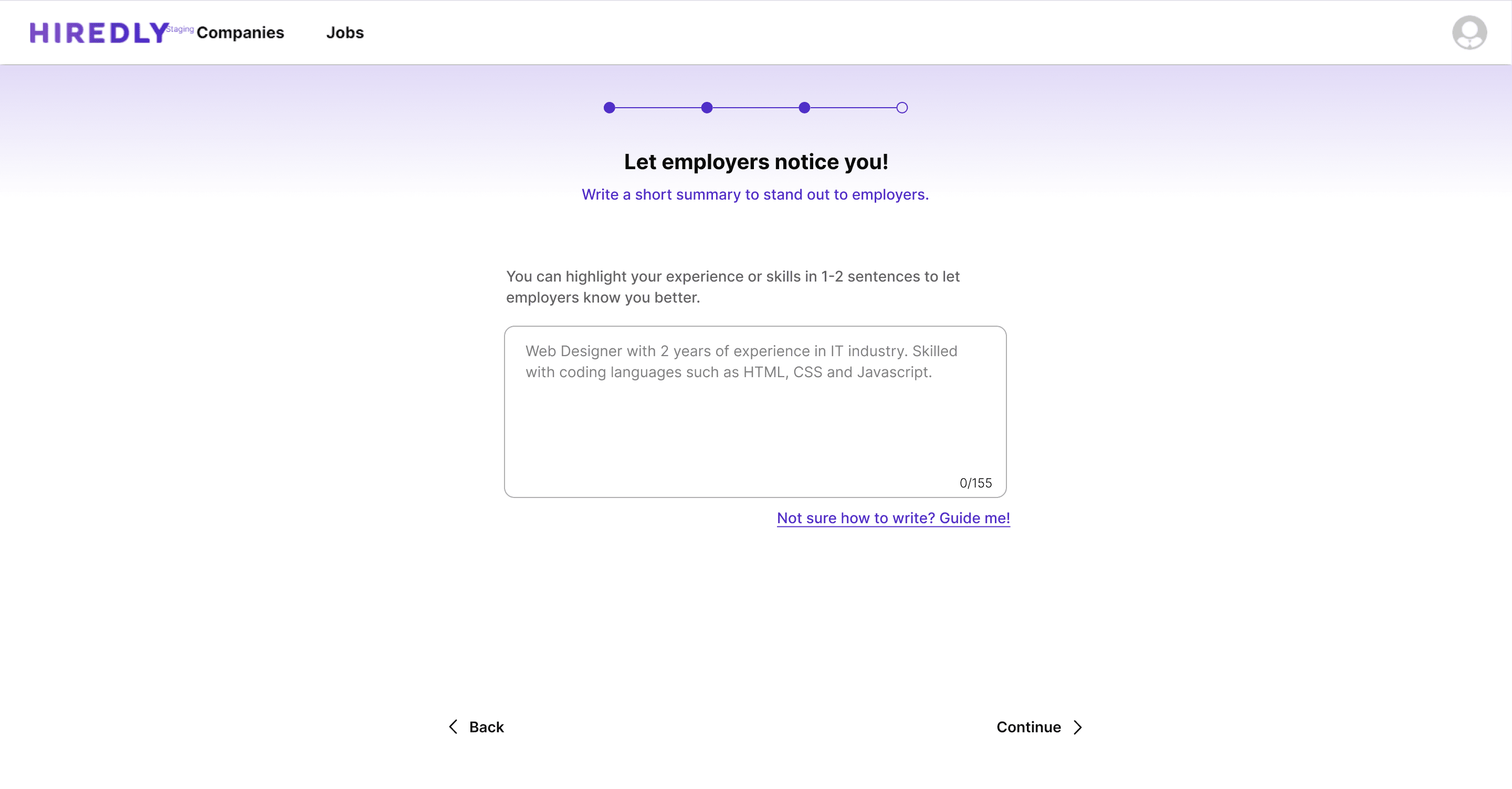
Long text field required to fill before continuing, user unsure of the use of this information

Page with highest drop-off rate


Potential reason:

this is not a ‘common question’ with other job portals, the higher effort required here is a potential blocker to users like the Passive Searcher and Fresh Grads to complete the onboarding process
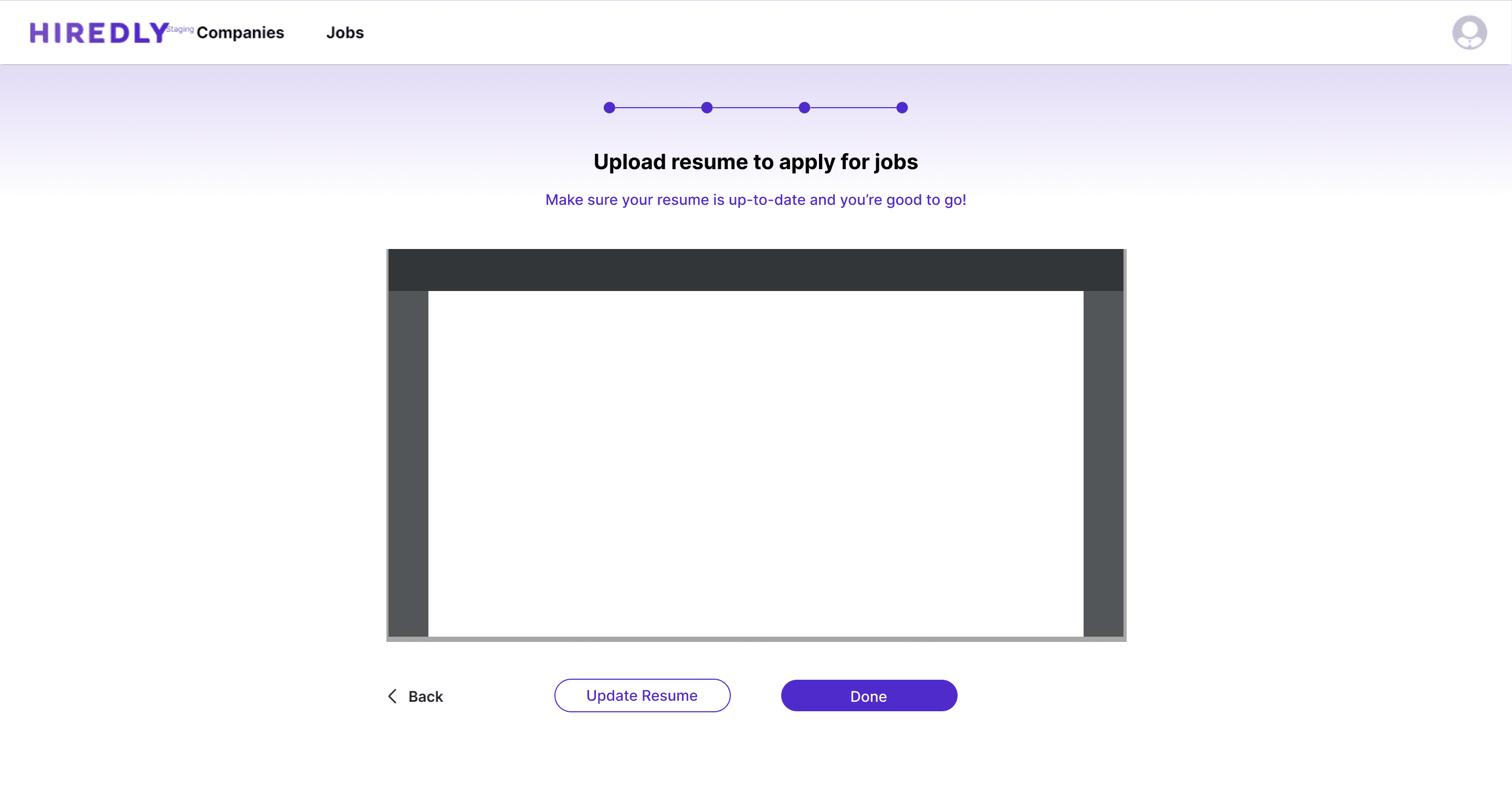
What happens now after filling in all my information?


CTA copies are not clear

Highlighted user behaviours from user interviews + observations and online research:

Importance of Visual Appeal:

Highly influenced by visuals and prefer aesthetically pleasing interfaces

Shorter Screen Attention Span:

Accustomed to consuming content in brief, bite-sized chunks with the high exposure of social media content

Instant Gratification or Reason:

There’s no clear reason or ‘reward’ from completing the onboarding process

How might we...

Maintain our users’ attention during onboarding from beginning to completion?

Maintain our users’ attention during onboarding from beginning to completion?

The Process

The Process

How can we simplify the

process for users?

How do we attract our users’

attention visually?

What’s their main goal?

Reduce information overload?

Are all the existing fields

really essential?

Post interviews & research: serious discussions with our data team & product manager.

User Goal: Applying to the right jobs.


When signing up, the onboarding instead becomes a hurdle they need to clear to achieve that goal, with no ‘reward’ at completion.

User Goal: Applying to the right jobs.

When signing up, the onboarding instead becomes a hurdle they need to clear to achieve that goal, with no ‘reward’ at completion.

Iterations upon iterations

Iterations upon iterations

Journey to the End Results

Journey to the End Result

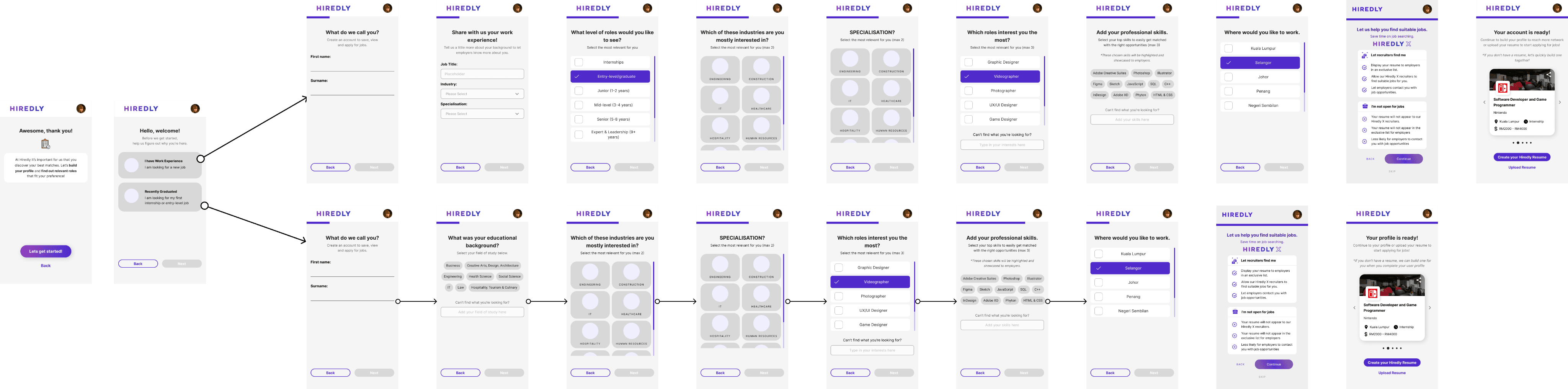
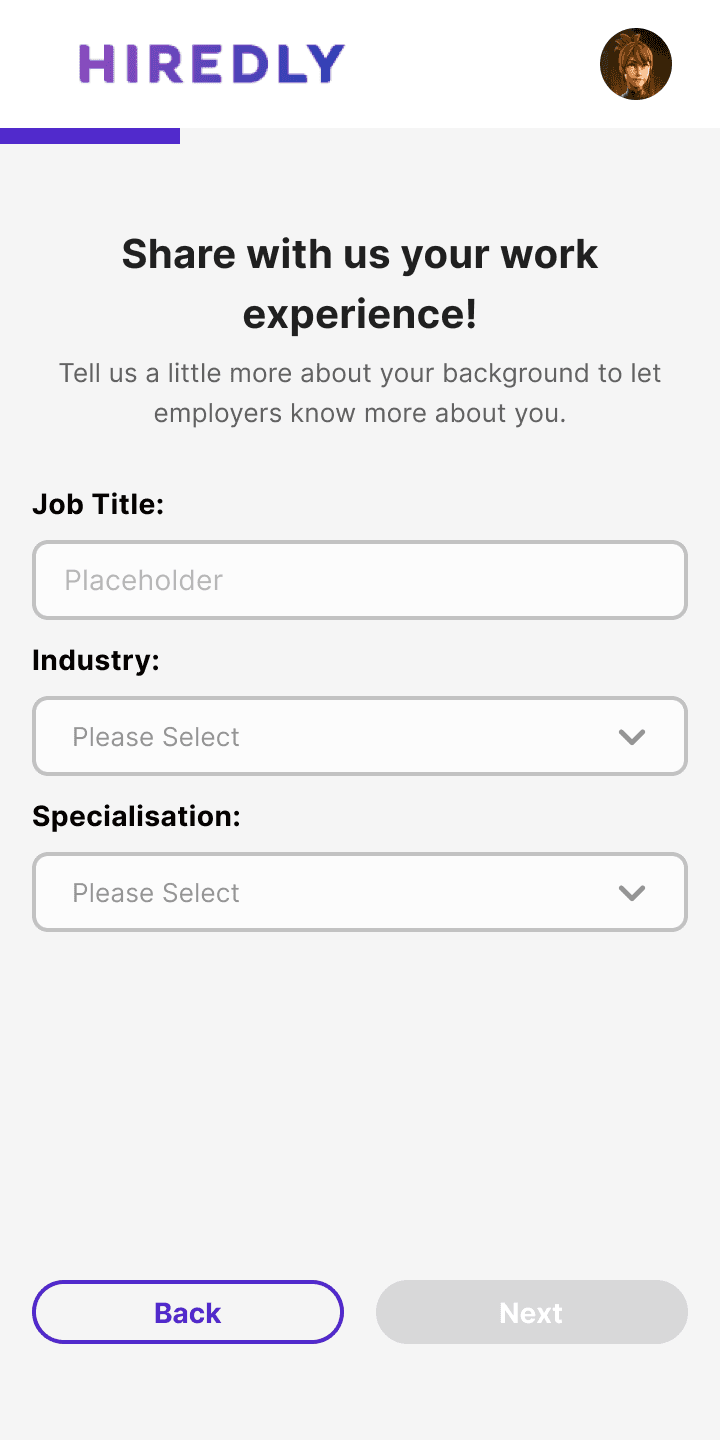
After discussions, we identified the data that we wanted to capture from users to aid in the job search experience. This led us to introduce new fields such as interested specialisation, interested roles, skills, location etc. I also expanded on the one-question-at-a-time approach so users can focus on a single question at a time which reduces cognitive load, similar to our competitors.

After discussions, we identified the data that we wanted to capture from users to aid in the job search experience. This led us to introduce new fields such as interested specialisation, interested roles, skills, location etc. I also expanded on the one-question-at-a-time approach so users can focus on a single question at a time which reduces cognitive load, similar to our competitors.

Initial proposed userflow and wireframes

Initial proposed userflow and wireframes

Highlighted design decisions:

1

2
3
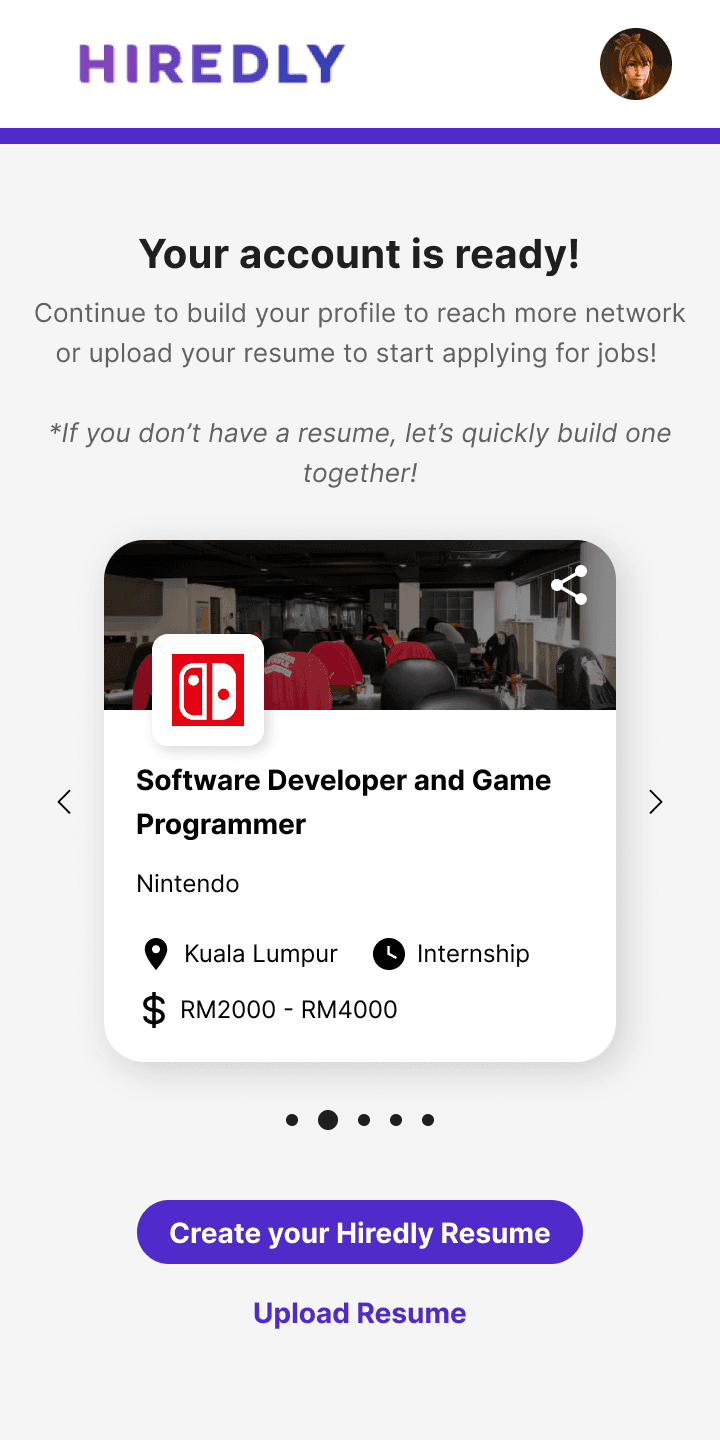
  1. Visual elements such as cards and illustration to improve user engagement.


  1. Minimal manual input per page, to provide a more engaging and efficient onboarding experience.


  1. Onboarding is ‘complete’ without ‘forcing’ users to upload resume, instead also giving the Fresh Grads an option to create their own.

  1. Visual elements such as cards and illustration to improve user engagement.


  1. Minimal manual input per page, to provide a more engaging and efficient onboarding experience.


  1. Onboarding is ‘complete’ without ‘forcing’ users to upload resume, instead also giving the Fresh Grads an option to create their own.

However the new additional fields made the journey much longer even with the one field per page approach. The reward at the end is a nice touch, but there’s too many action options for users to make: view recommended job, create resume, upload resume. Yet it’s still missing the main user goal.... Searching for jobs!


and so I took a step back again:

  • What exactly are the essential fields to provide job recommendations to users?

  • How does the journey end?


    Looking back to our user groups we refined the ending page to redirect them to pages that are most relevant to their goals:

The Active Seeker

Relevant actions/pages:

Jobs Page

Uploading Resume

Create Your Resume

The Passive Seeker

Relevant actions/pages:

Jobs Page

Uploading Resume

Create Your Resume

The Fresh Grad

Relevant actions/pages:

Jobs Page

Create Your Resume

Finishing touches to the flow:
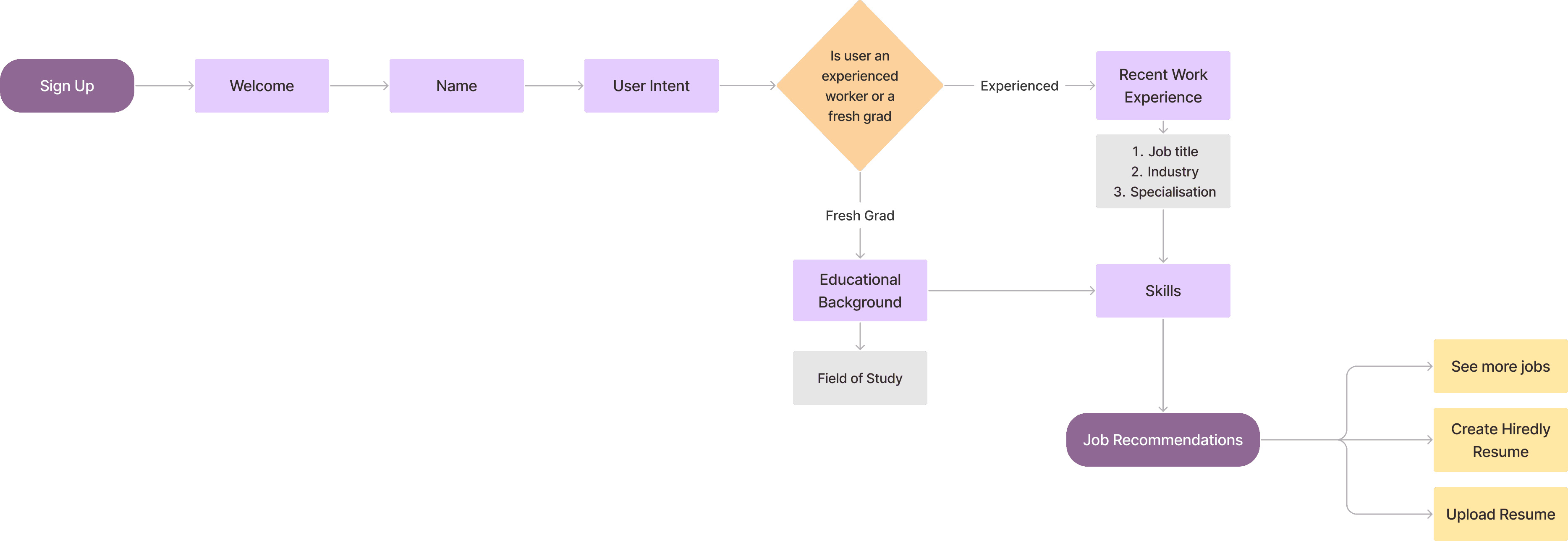
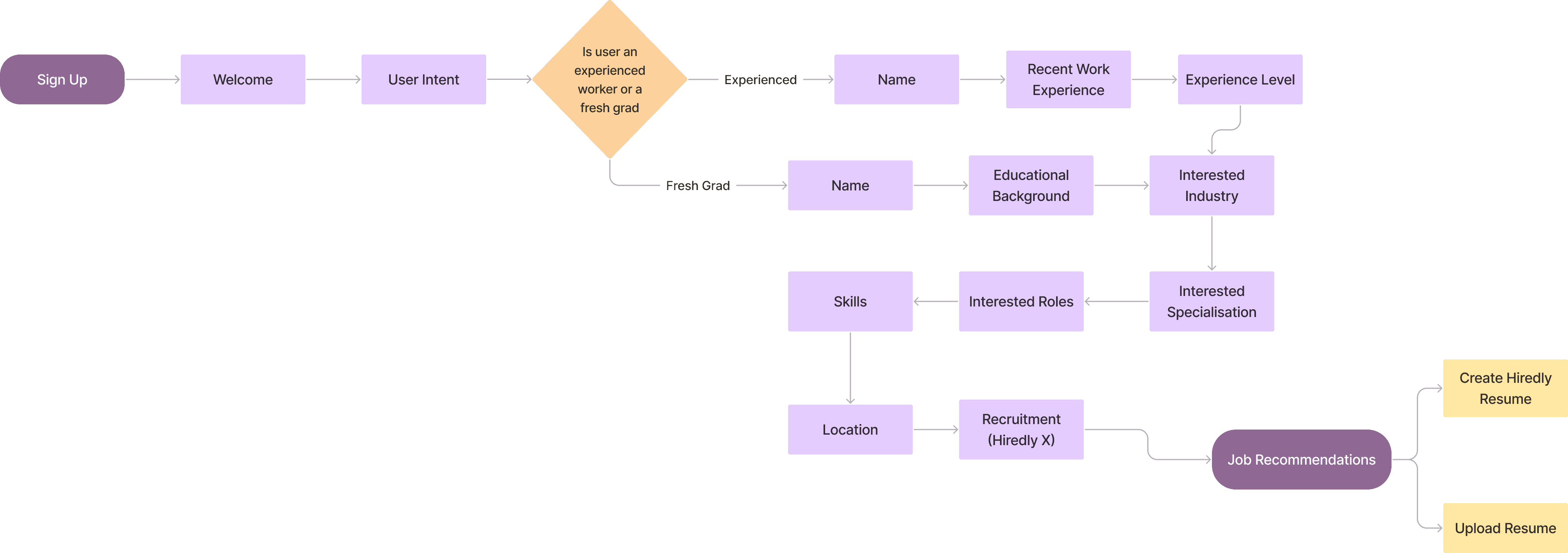
New proposed user flow: short & simple, with ‘gratification’ for all user groups and better redirection at completion.

New proposed user flow: short & simple, with ‘gratification’ for all user groups and better redirection at completion.

Coming to the End!

Coming to the End!

Keeping the users attention with interactive visual design, creating an engaging experience for users.

Keeping the users attention with interactive visual design, creating an engaging experience for users.

The focus on a single question at a time reduces cognitive load and keeps users focused.

The focus on a single question at a time reduces cognitive load and keeps users focused.

The funnel of truth

The funnel of truth

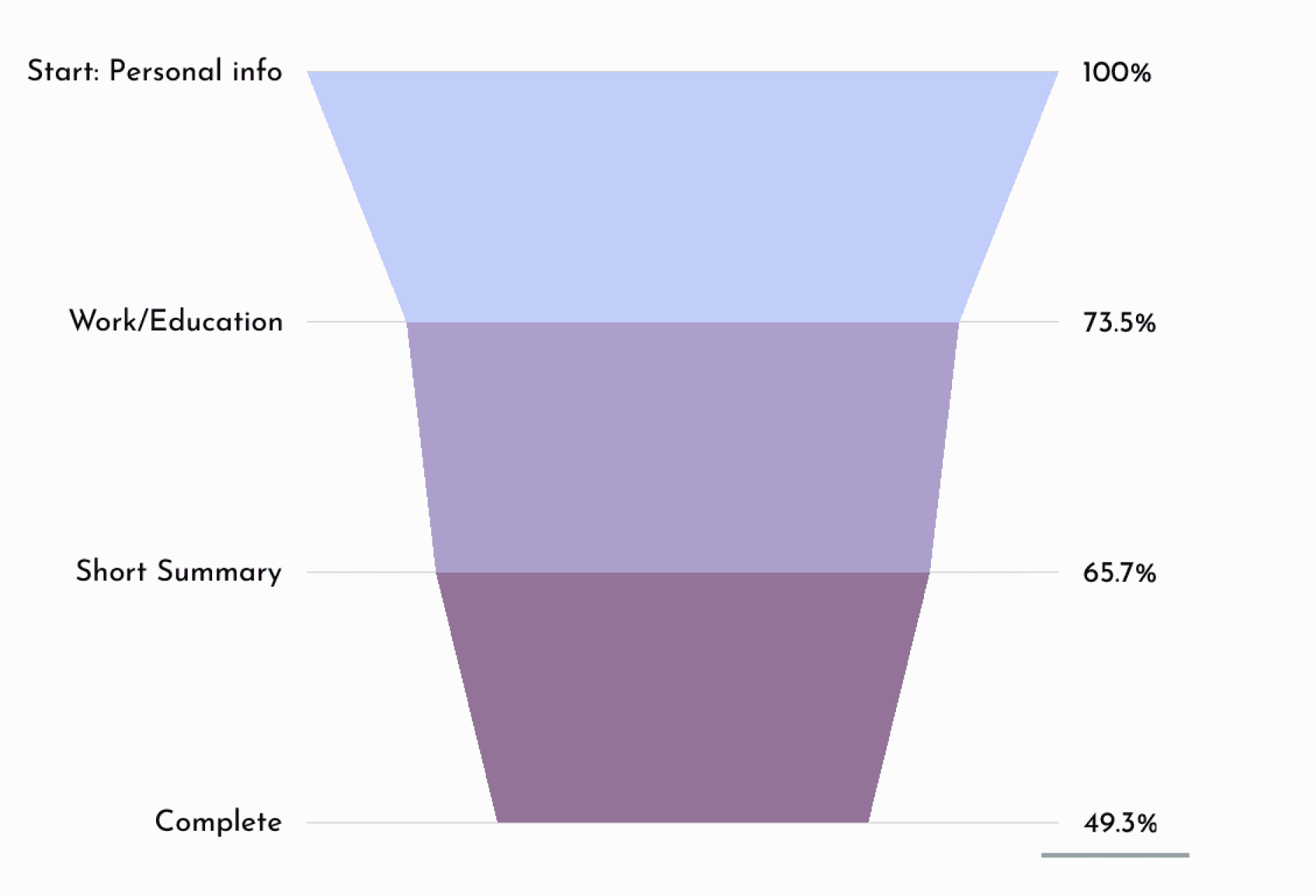
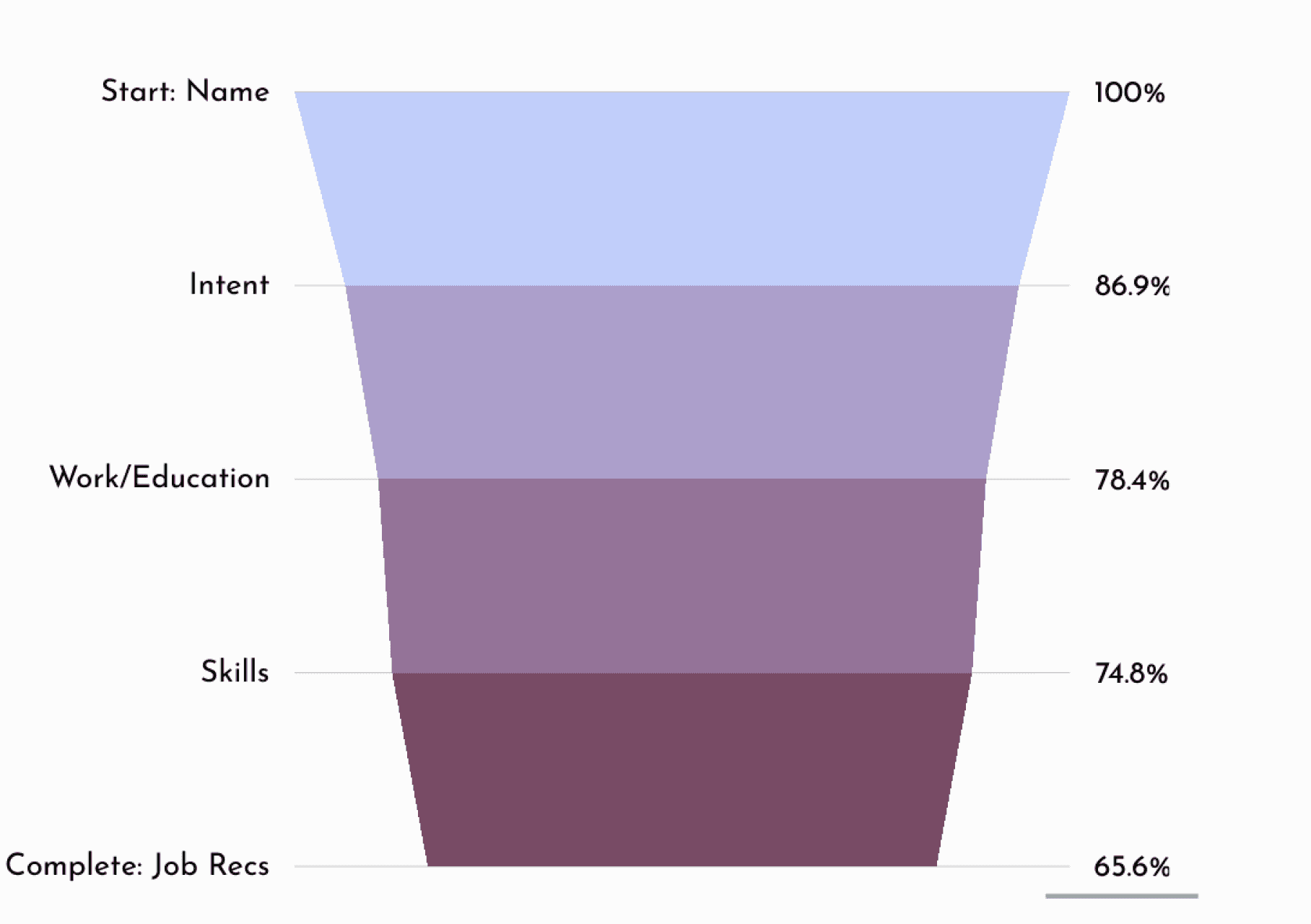
Measuring the onboarding journey completion rate

Measuring the onboarding journey completion rate

Before
After

6 months after the redesign shows an increase of completion rate by 16.3%.

6 months after the redesign shows an increase of completion rate by 16.3%.

Final mockups

Final mockups

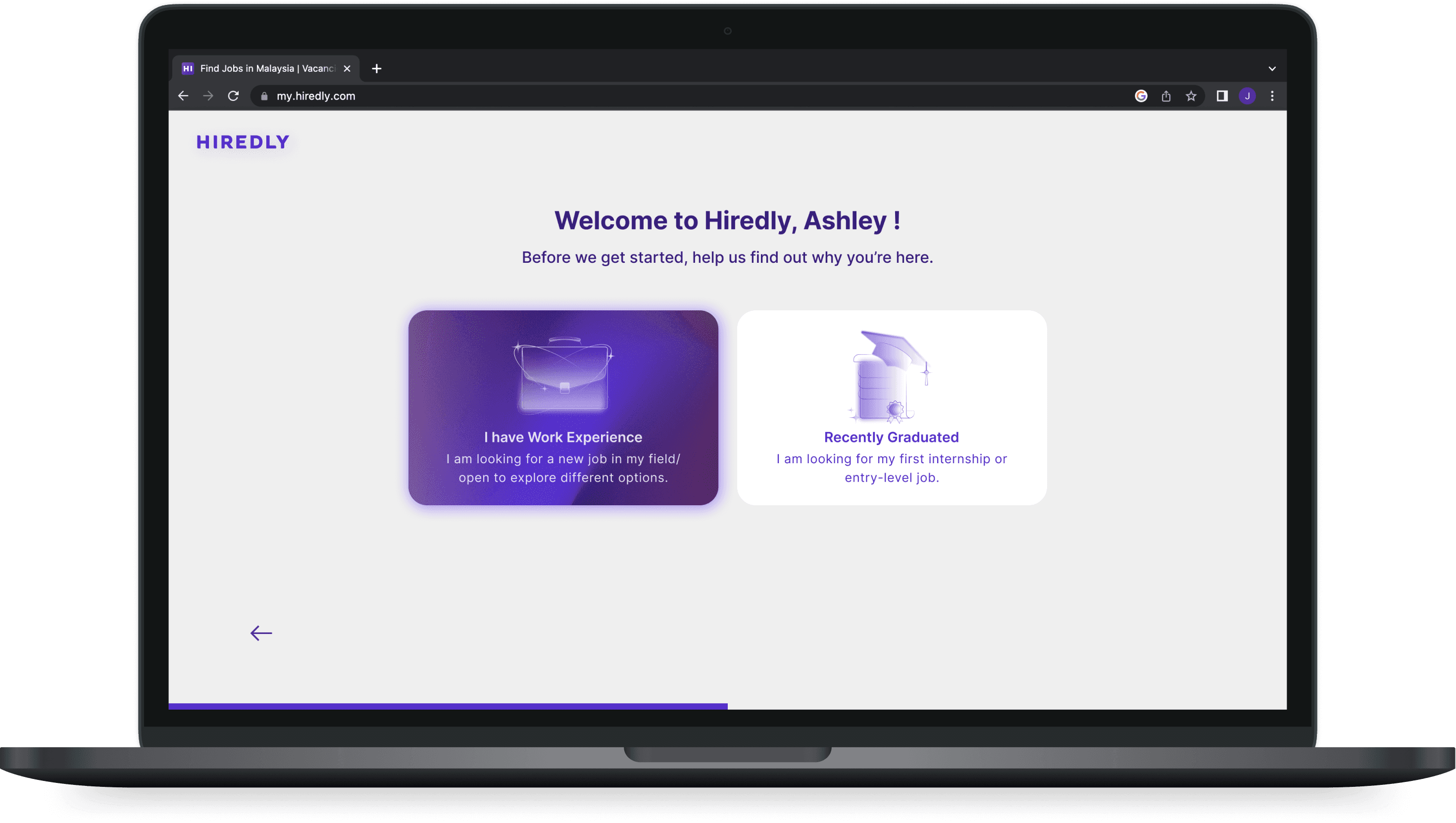
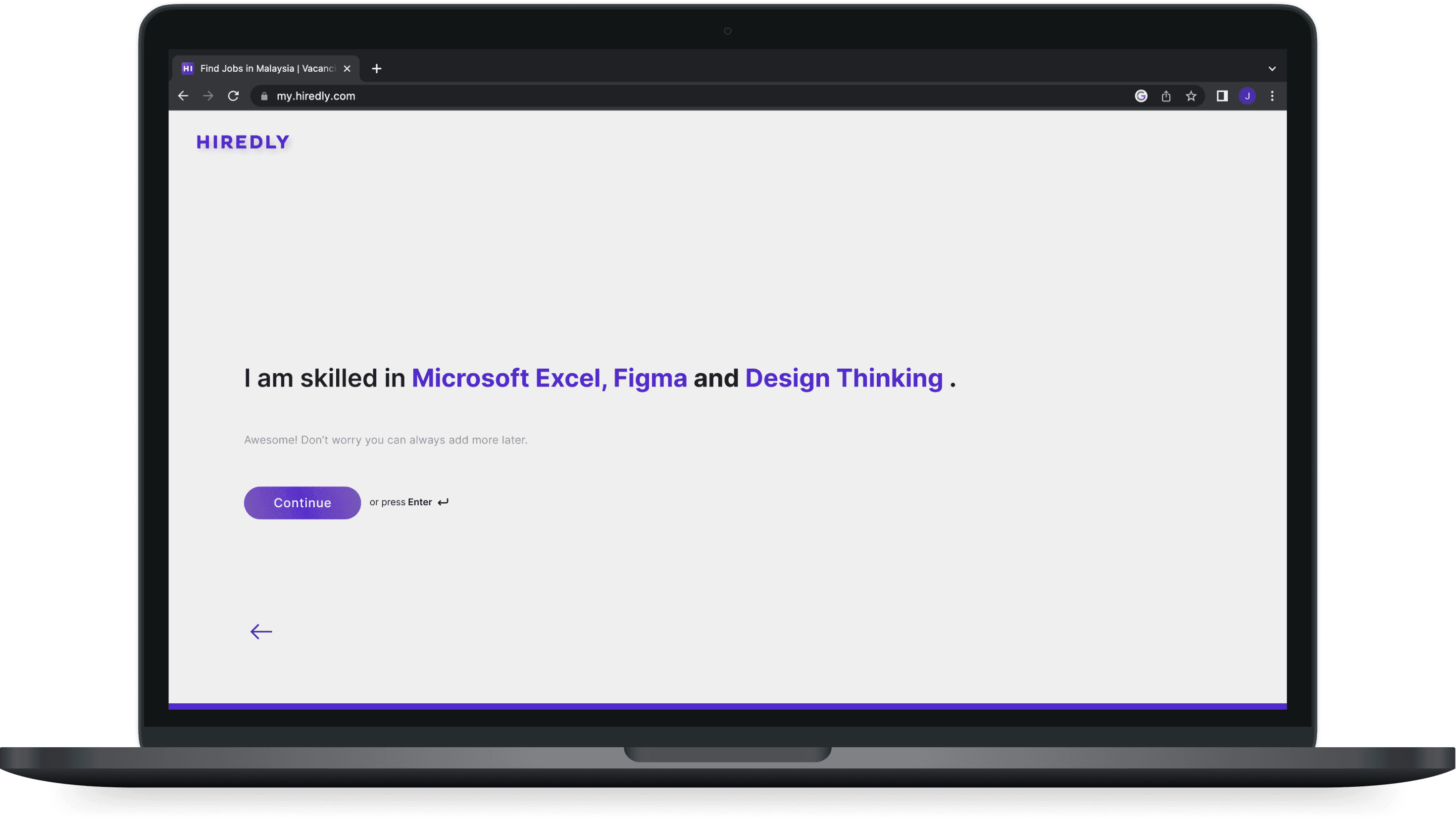
The redesigned onboarding process has more focus on visual design, information hierarchy, and user interaction.


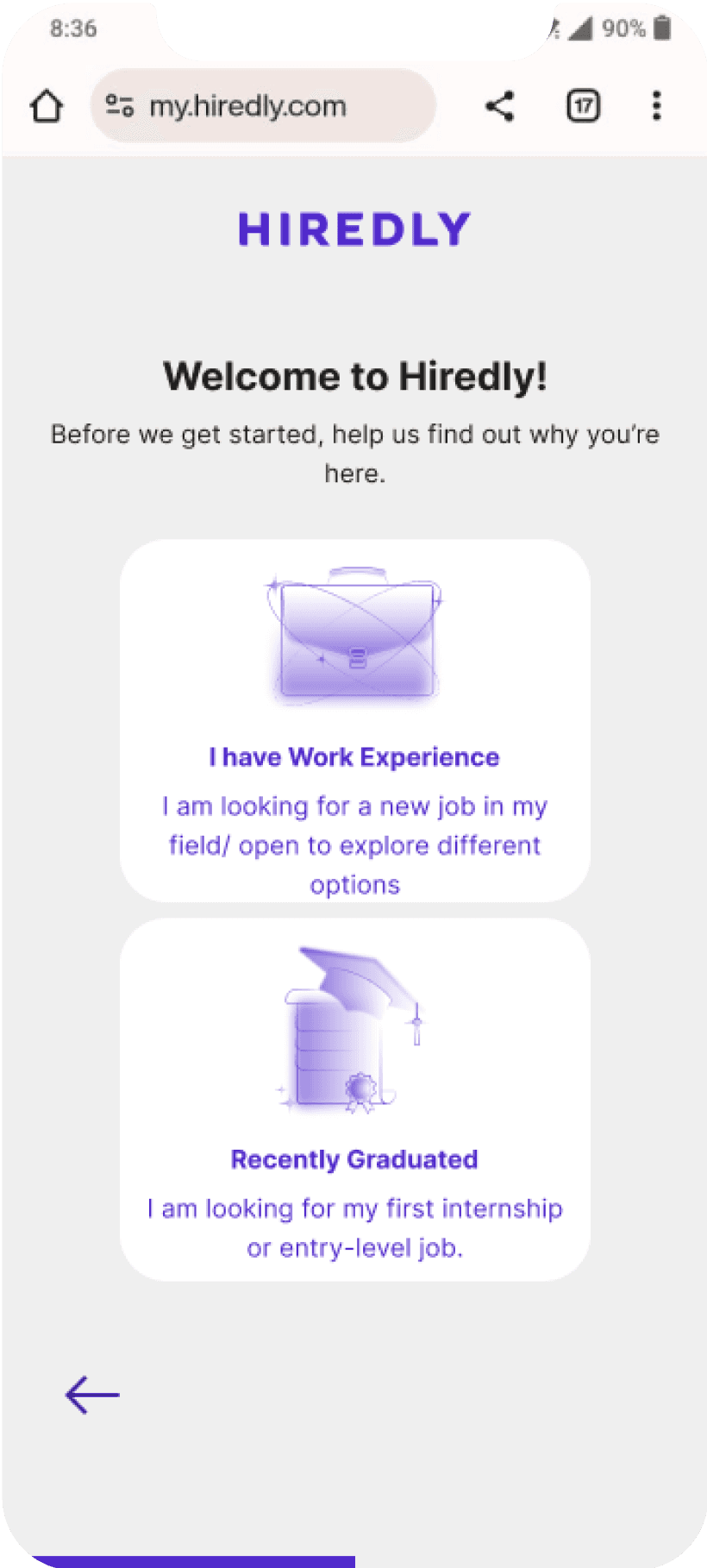
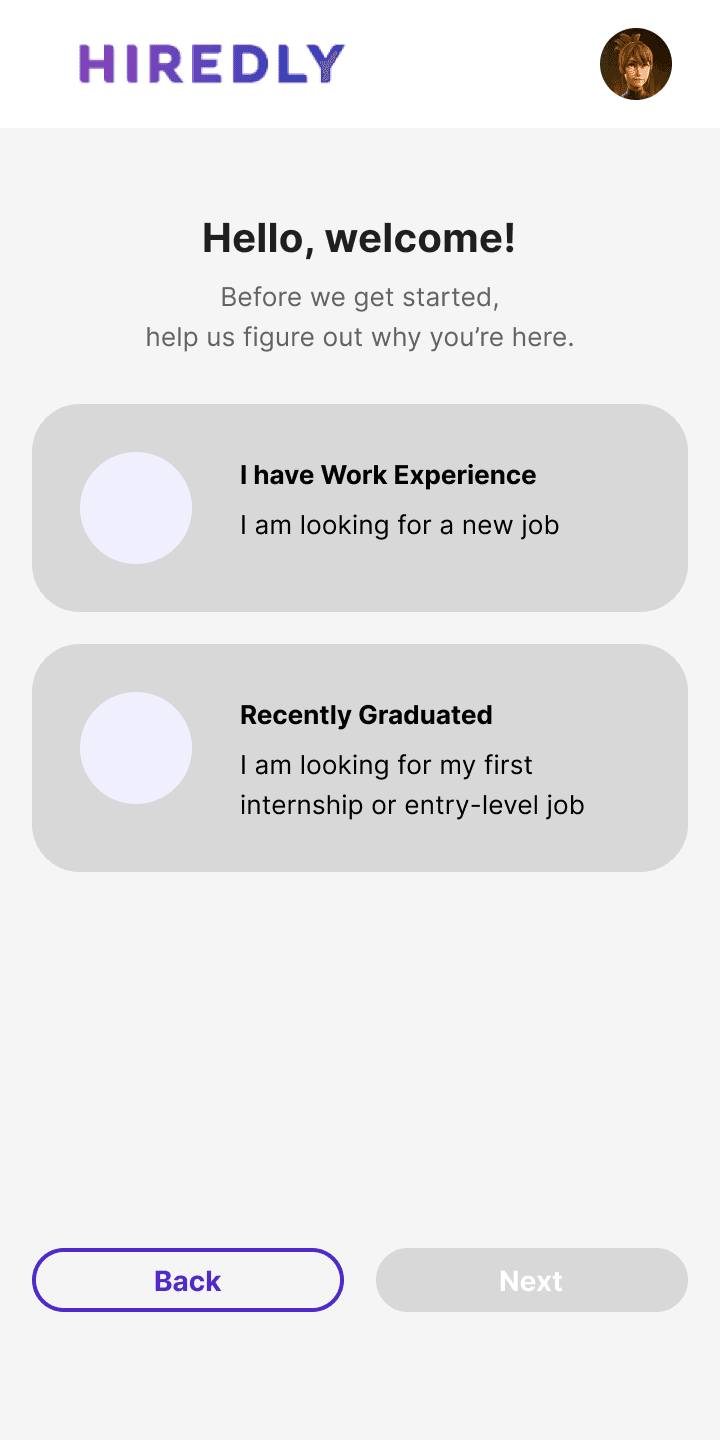
Work experience & Fresh Grad choices come with copies with explanations - less thinking for users

The redesigned onboarding process has more focus on visual design, information hierarchy, and user interaction.


Work experience & Fresh Grad choices come with copies with explanations - less thinking for users

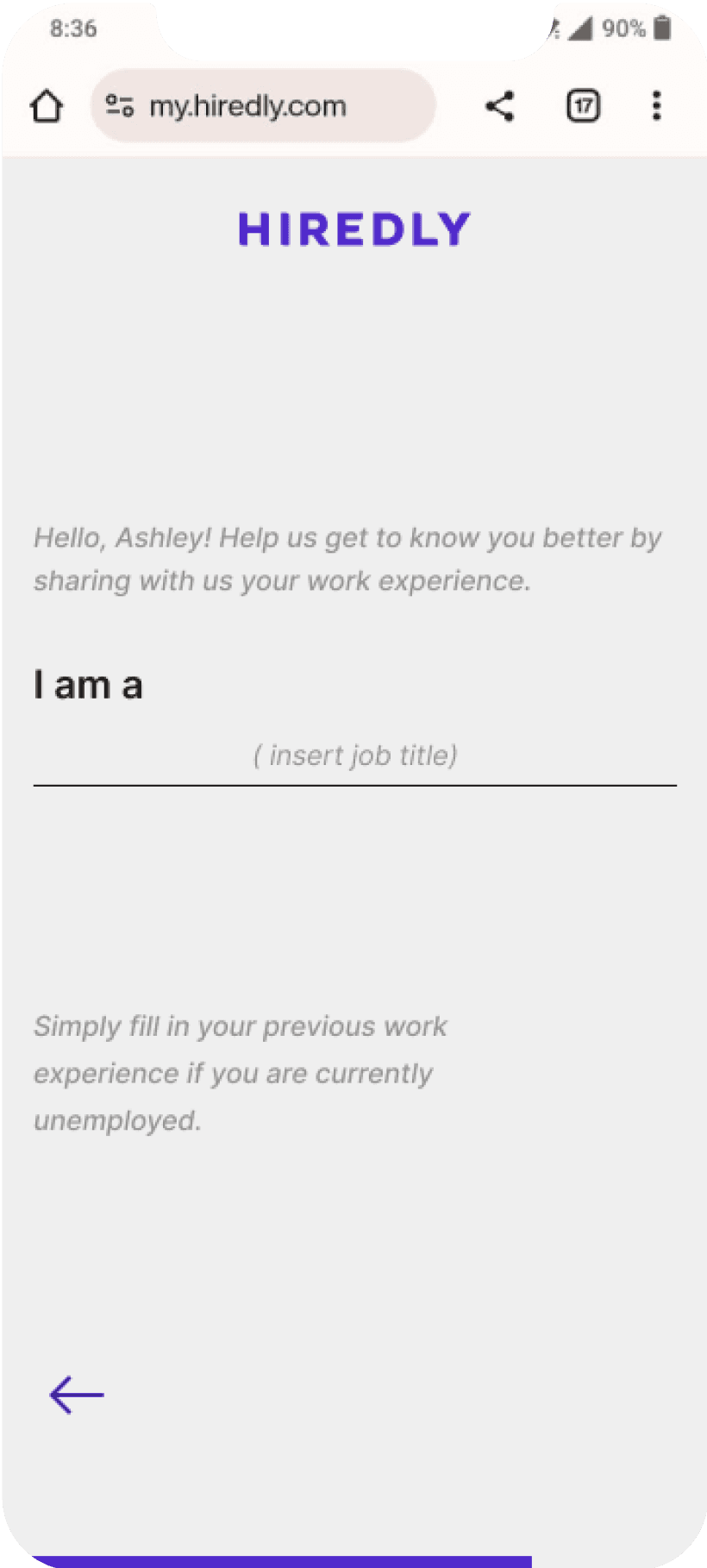
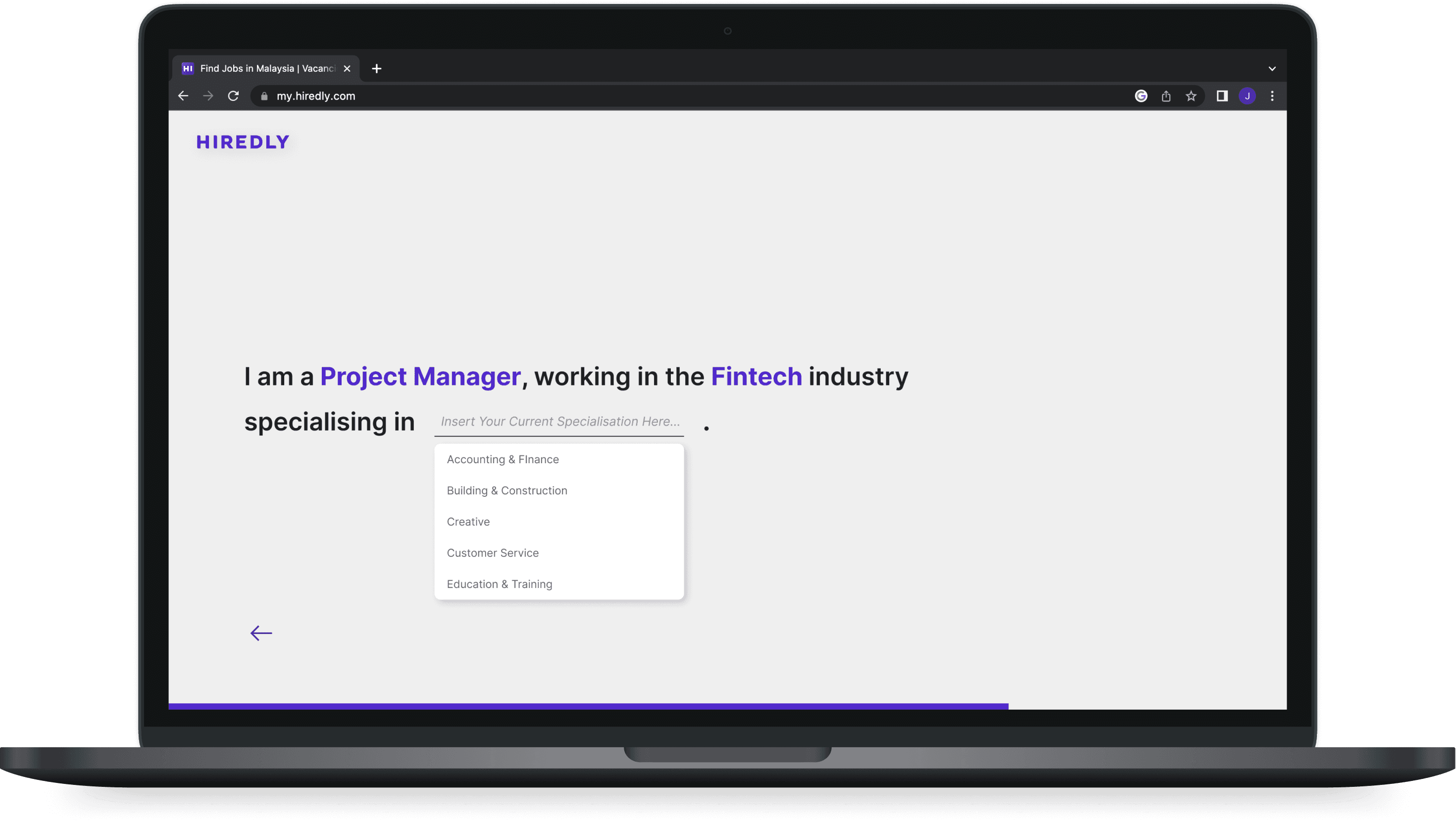
Minimal input fields which appears one at a time, allowing users to focus on each questions easily.

Minimal input fields which appears one at a time, allowing users to focus on each questions easily.

Additional skills input collected, improving job recommendations on our end for jobseekers.

Additional skills input collected, improving job recommendations on our end for jobseekers.

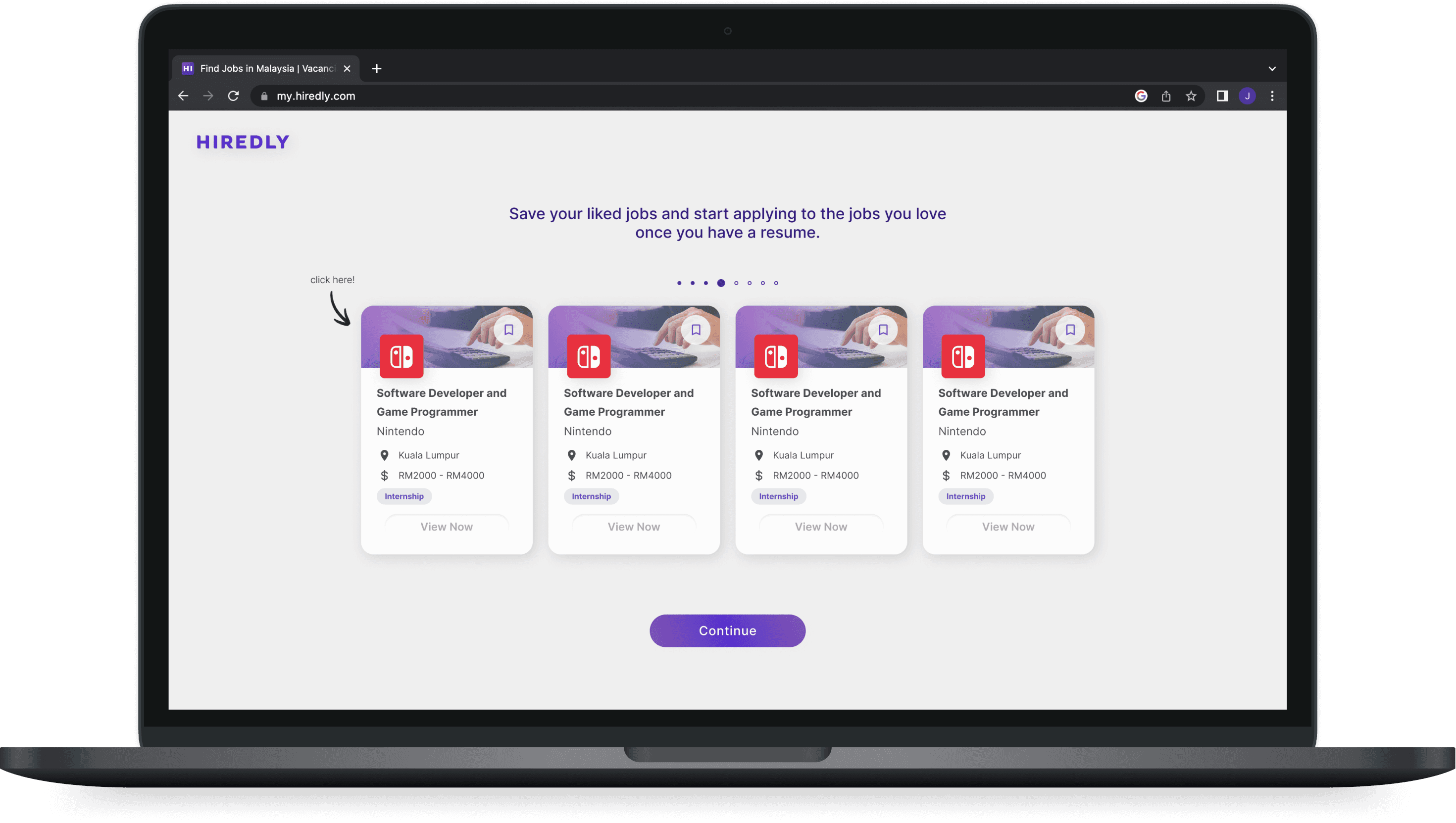
Onboarding ends with a ‘reward’ - personalised job recommendations to further attract high intent users to continue using the website.

Onboarding ends with a ‘reward’ - personalised job recommendations to further attract high intent users to continue using the website.

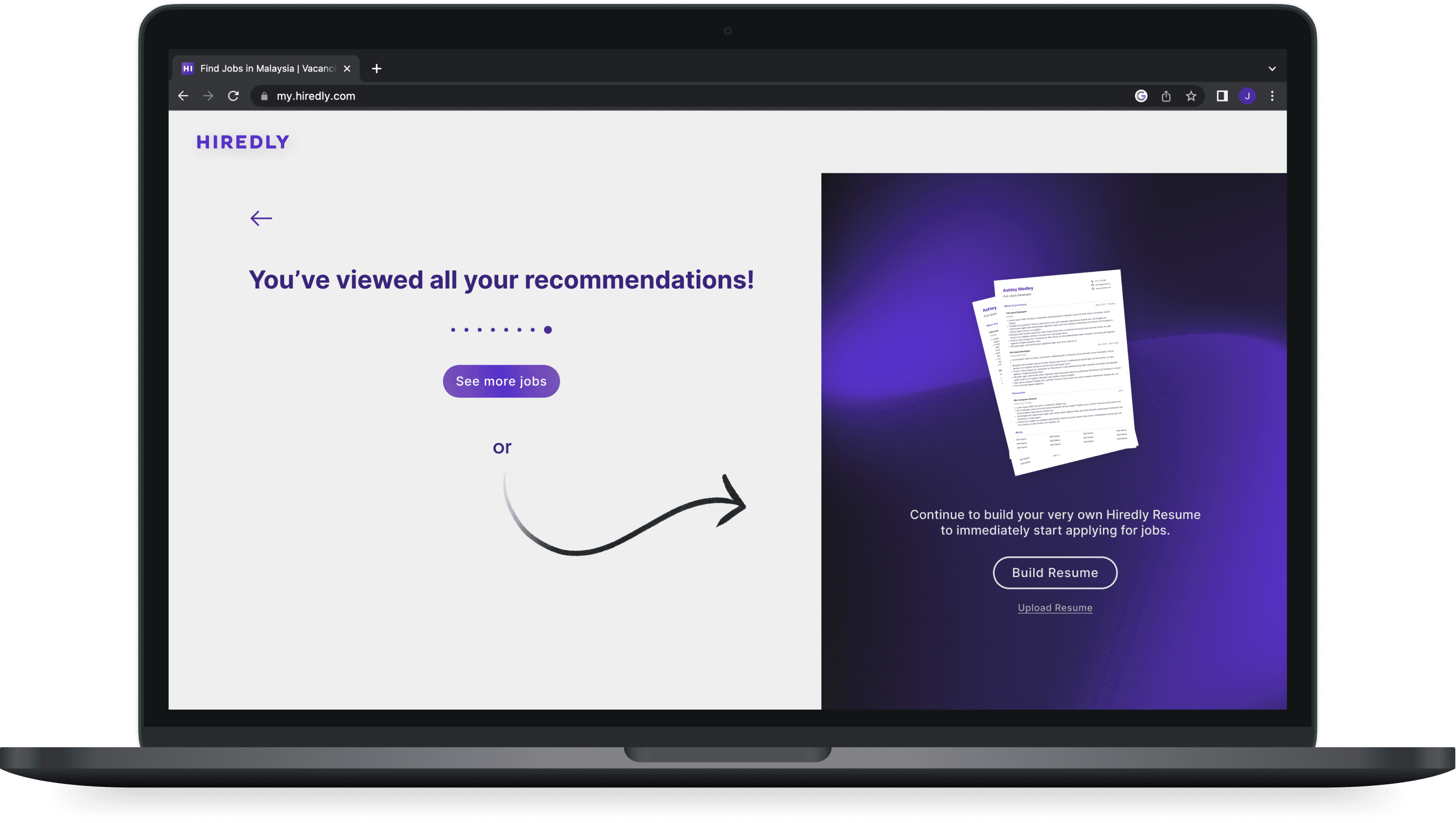
Navigation to other pages based on our users’ needs.


  • Fresh grad: interested in creating a resume or view more jobs.

  • The active seeker: kick start the job hunt by uploading their resume.

  • The passive seeker: casually browse available jobs first.

Navigation to other pages based on our users’ needs.


  • Fresh grad: interested in creating a resume or view more jobs.

  • The active seeker: kick start the job hunt by uploading their resume.

  • The passive seeker: casually browse available jobs first.

Post Launch Feedback

Post Launch Feedback

On March 2023, I had the opportunity to directly conduct usability tests and gather feedback from our users at Hiredly’s Career Fair.
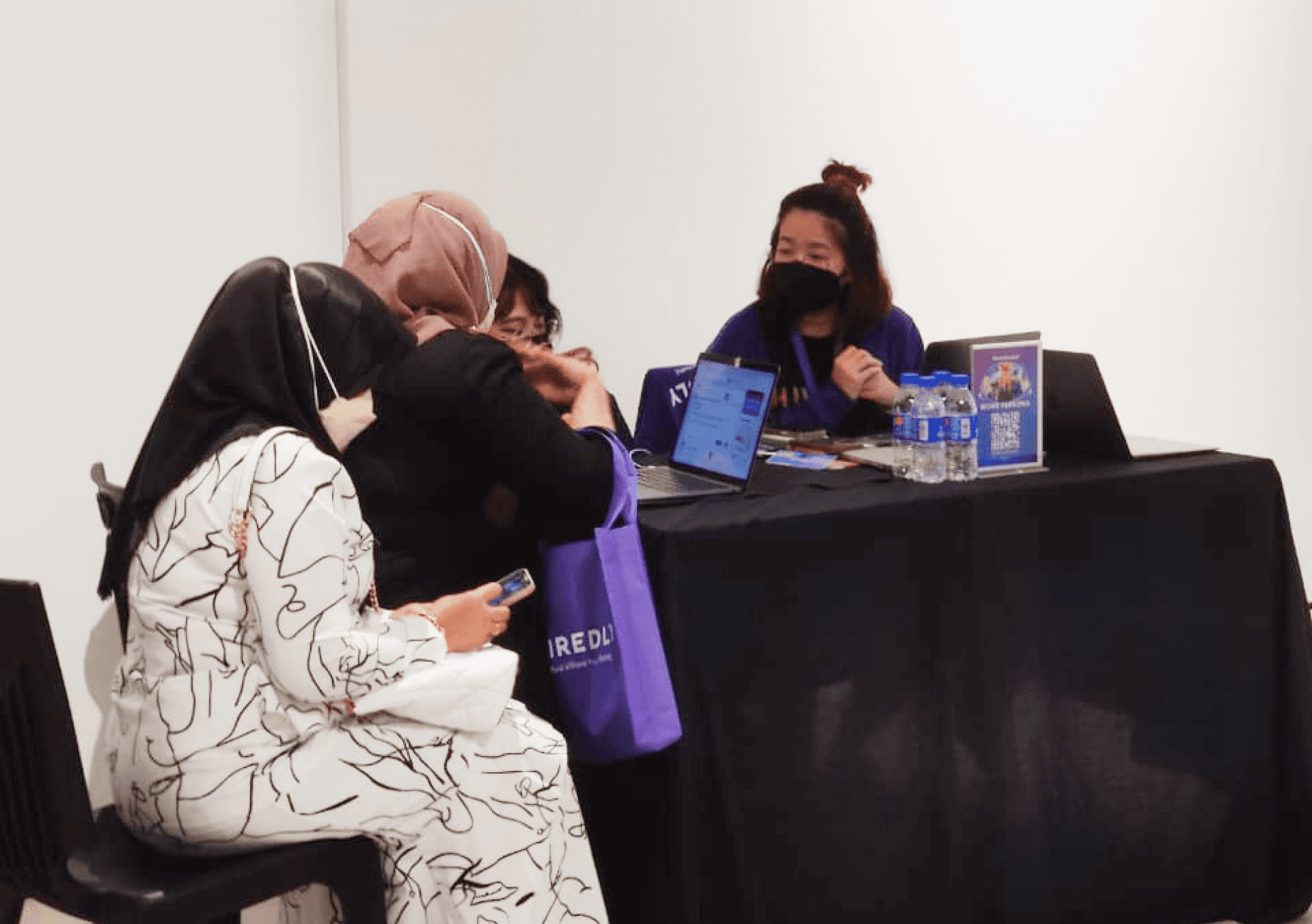
We gave our users a task:

You are a new user and would like to create an account to apply for a job.
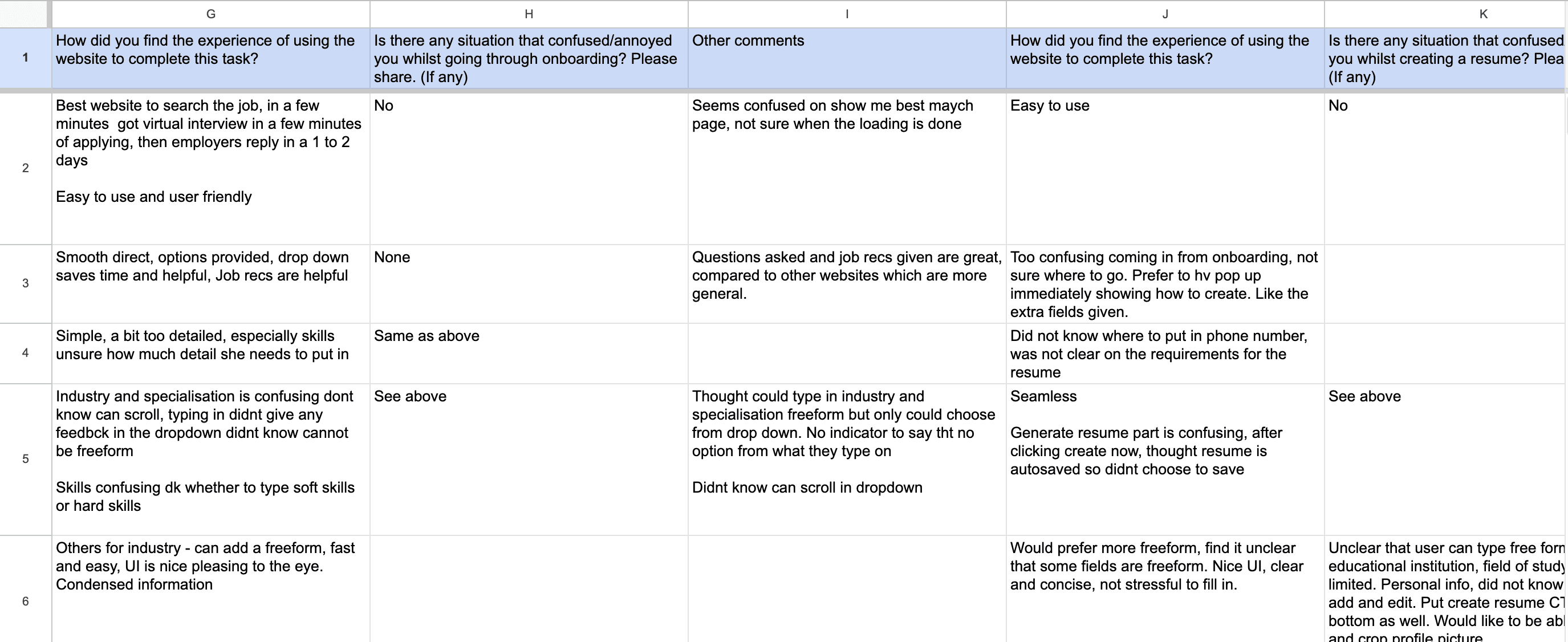
Usability tests were conducted while my teammates and I observed and recorded how users navigate the site, followed by a user interview after.

Usability tests were conducted while my teammates and I observed and recorded how users navigate the site, followed by a user interview after.

Recording our observations and interview answers on a google sheet.

Recording our observations and interview answers on a google sheet.

How did we do?

How did we do?

Generally, the flow of the redesigned journey is smooth and easy to go through, though some confusion with the UI could be further improved.

Generally, the flow of the redesigned journey is smooth and easy to go through, though some confusion with the UI could be further improved.

Reflections

Reflections

What I've learned

What I've learned

  • By simplifying the process and incorporating more visuals and interactive elements, I was able to improve the general user experience and improve the completion rate.


  • However, we realised too late that we did not also take into account the information fields that are important from employers (nationality, phone number & location), the other side of users.
    (These fields had been added to development since then)


  • If given the chance & resources to improve in the future, we would also take into account and initiate user research with employers to also determine their pain points regarding information from jobseekers, and improve on that.

  • By simplifying the process and incorporating more visuals and interactive elements, I was able to improve the general user experience and improve the completion rate.


  • However, we realised too late that we did not also take into account the information fields that are important from employers (nationality, phone number & location), the other side of users.
    (These fields had been added to development since then)


  • If given the chance & resources to improve in the future, we would also take into account and initiate user research with employers to also determine their pain points regarding information from jobseekers, and improve on that.

Made with tea and tears.

©2024 Portfolio by Tay Jing Hui

Made with tea and tears.

©2024 Portfolio by Tay Jing Hui

Create a free website with Framer, the website builder loved by startups, designers and agencies.